The Darlington Property Market - September 2026
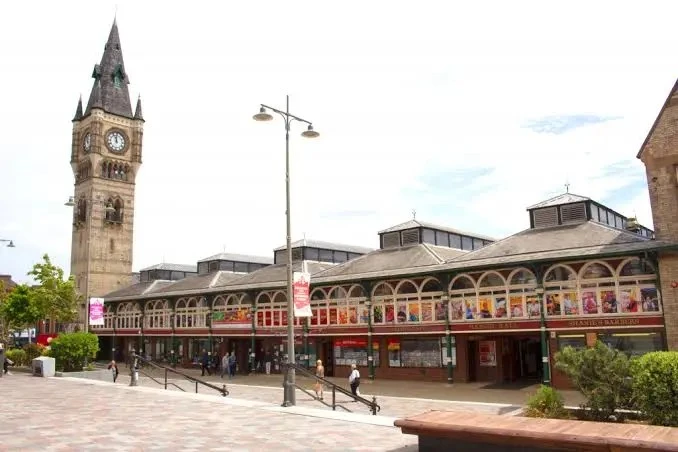
Darlington had a good September. 170 sales were agreed across DL1, DL2 and DL3, up 12% on August, in a month when sales agreed across the country were running 9% below last year. Below £200,000 well priced homes are selling in days. Above £400,000 buyers have more choice than at any point this year. Here is what the figures say and what they mean if you are thinking of moving.
Overall Market Snapshot
1,098 homes for sale across DL1, DL2 and DL3, up from 1,054 in August and 991 in May
207 homes came to the market in September and 170 found a buyer
6.5 months of supply at September's rate of sale, improved from 6.9 in August
The typical home for sale is priced at £180,000. The typical sale agreed was at an asking price of £165,000
172 homes are showing a price reduction, which is 15.7% of everything for sale
137 homes are for sale at £400,000 and above, and nine sales were agreed at that level
The National Picture
House prices: Nationwide reported that annual growth halved to 0.8% in September, with prices down 0.2% in the month. Zoopla has growth at the same 0.8%.
Asking prices: Rightmove recorded the first monthly rise since May, up 0.7% to £367,440.
Choice and demand: Rightmove says the number of homes for sale is at a twelve-year high. Zoopla has 5% more homes for sale than a year ago and 9% fewer sales agreed.
Mortgages: Bank Rate was held at 3.75% on 17 September, but fixed rates have risen through the year regardless. Moneyfacts puts the average two-year fix at 5.93% and the average five-year fix at 5.95%, and more than 1,000 of the cheapest deals were withdrawn during September.
Dates to watch: the Budget is on 28 October and the next interest rate decision is on 5 November.
Affordability: Lloyds calculates that the average home now costs 7.3 times earnings, the best reading since 2015, because earnings have risen faster than prices.
What is holding buyers back is the monthly cost of a mortgage, not confidence in bricks and mortar.
Prices and Activity
Sales agreed rose from 152 in August to 170, and the sale-through rate improved from 14.4% to 15.5%.
New sellers are no longer pricing below the competition. In August the typical new instruction came to the market £15,000 below the typical home already for sale. In September it was level, at £179,950.
Buyers went for value. The typical sale agreed was at £165,000, which is £15,000 below the typical home on the market.
Speed rewards the right price. 31 of September's sales were on homes that only came to the market that month. Half of them were under offer within eight days and 24 of the 31 within a fortnight.
The North East Region
The Office for National Statistics has the North East as the strongest region in England, with prices up 4.9% in the year to July, while London fell 3.3%.
Nationwide has its northern region up 3.3% in the third quarter and Zoopla has the North East up 2.3%. The fair summary is that values here are rising by somewhere between 2% and 5% a year while much of southern England is flat or falling.
Homes here cost less relative to earnings, so a rise in mortgage rates takes a smaller bite out of what a buyer can afford. Really Moving puts the average cost of moving home in the North East at about £8,800 against £32,000 in London.
North East rents rose 5.8% to an average of £788 a month, according to the ONS.
Our market is resilient, not immune. Buyers here have more choice and less borrowing power than they did in the spring, and they are using both.
Darlington in September
Where the market is moving
Below £200,000: 612 homes for sale produced 117 of the 170 sales agreed, so this part of the market is clearing in about five months. The £100,000 to £150,000 band was the real mover, with 37 sales agreed against 21 in August.
£200,000 to £400,000: the market slowed a little, with 44 sales agreed against 50 in August while 68 new homes arrived.
£400,000 to £600,000: three sales were agreed from 78 homes for sale and 15 more came to the market. This is the hardest part of Darlington to sell in at present.
£600,000 and above: six sales were agreed against three in August. One was an investment block of flats. The other five were houses with asking prices between £625,000 and £875,000, four of them in the villages and one in the west end of the town.
Town and villages
DL1: 393 homes for sale, 62 sales agreed and a typical asking price of £140,000. About 6.3 months of supply.
DL2: covering Hurworth, Middleton St George, Croft, Merrybent and the surrounding villages. 267 homes for sale and 36 sales agreed against 28 in August, its best month for some time. Middleton St George alone produced twelve. The villages carry much the highest asking prices, at a typical £285,000, and they take a little longer to sell at 7.4 months of supply.
DL3: 438 homes for sale, 72 sales agreed and a typical asking price of £185,000. About 6.1 months of supply.
By type of home
Semi-detached houses and bungalows are the quickest sellers in Darlington, at 4.7 and 5.3 months of supply. Terraced houses follow at 6.1 months. Detached houses are taking roughly twice as long as semis at 9.2 months, and flats are the slowest of all at 11.3 months, which matches Zoopla's national finding that flat values are falling in nine of eleven regions.
Price reductions
The typical cut is 4.4% and the average is 5.7%, or £13,398. More than half of all reductions are under 5%, and a cut of that size rarely brings a home in front of buyers who were not already looking at it. The reductions that work are the decisive ones. Nineteen of the reduced homes are now under offer, and 18 of September's sales agreed were on homes that had reduced first. Fifteen of the reduced homes have been for sale since 2025.
If You Are Thinking of Selling
Know which market you are in. Below £200,000 you are in the strongest part of the market. A correctly priced home should expect serious interest inside the first two weeks. If that has not happened by week three, the market has given its answer and it is better to act than to wait.
Price against today's competition. Between £200,000 and £400,000 there are 349 homes for sale and 68 of them arrived in September. Price against what is for sale today, not against what a neighbour achieved last year.
Above £400,000 the launch price is the whole strategy. There are 137 homes for sale and roughly nine buyers a month. Presentation, photography and timing all matter, but none of them will rescue the wrong figure.
If you reduce, do it once and make it count. A small reduction keeps you in front of the same buyers who have already decided against the home.
Mind the calendar. If you want to be under offer before Christmas, be on the market now. Rightmove puts the national average at 64 days to find a buyer and a further 150 days to complete. Do not hold on for lower mortgage rates, because the Bank of England is debating whether the next move is up, not down.
If You Are Thinking of Buying
You have more choice than at any point this year. Above £300,000 you also have time, and a home that has been for sale for several months is one where a sensible offer is likely to be heard.
Below £200,000 the opposite applies. Well priced homes are going under offer in days, so have your finances in place before you view.
Fixed rates have levelled off just below 6% on average, but the cheapest deals have gone. Take whole-of-market mortgage advice early and make sure any offer in principle reflects today's rates.
A reduced price is not always a bargain and a firm price is not always a dear one. Look at what else your budget buys across the town and villages before you decide.
If you are a first-time buyer, the Government has announced a 2.5% deposit scheme for new build homes called Your First Home. The detail, including price caps, is due at the Budget on 28 October.
Your Questions Answered
Is the Darlington property market slowing down?
Not below £200,000. Sales agreed rose by 12% in September while the national figure was 9% down on last year. The slowdown shows in the family and upper market, where buyers borrow the most. Between £400,000 and £600,000 only three sales were agreed from 78 homes for sale.
How long does it take to sell a house in Darlington?
At September's rate of sale there are 6.5 months of supply across the town and about five months below £200,000. Correctly priced homes are going under offer much faster than that, with half of September's new arrivals that sold finding a buyer within eight days. Rightmove's national average is 64 days to find a buyer and a further 150 days to complete.
Are house prices in Darlington going up or down?
The typical asking price of a home for sale was unchanged at £180,000 in September. Across the North East, the national indices have values rising by between 2% and 5% a year. Every local figure in this update is an asking price, not a Land Registry sold price.
Talk to Us
Across Darlington this year, 70% of the homes brought to the market have gone on to a sale agreed and 43% have needed a price change along the way. For homes marketed by Anthony Jones Properties the figures are 82% and 36%.
We put that down to the conversation we have before a home is launched. We would sooner give you an honest figure and the evidence behind it than a flattering one that costs you time and money later. If you would like that evidence for your own home, or you are looking to buy and want to know what is coming to the market, call us on 01325 776 424 or email sales@AnthonyJonesProperties.co.uk.
About the figures: local figures are counted directly from Rightmove-sourced portal data for DL1, DL2 and DL3 for September 2026. Every local price quoted is an asking price, and none are Land Registry sold prices. National figures are taken from the September 2026 releases by Rightmove, Zoopla, Nationwide, the ONS, the Bank of England, Moneyfacts and Lloyds. This update is general market commentary and not a valuation or financial advice.